By Anne Brodie
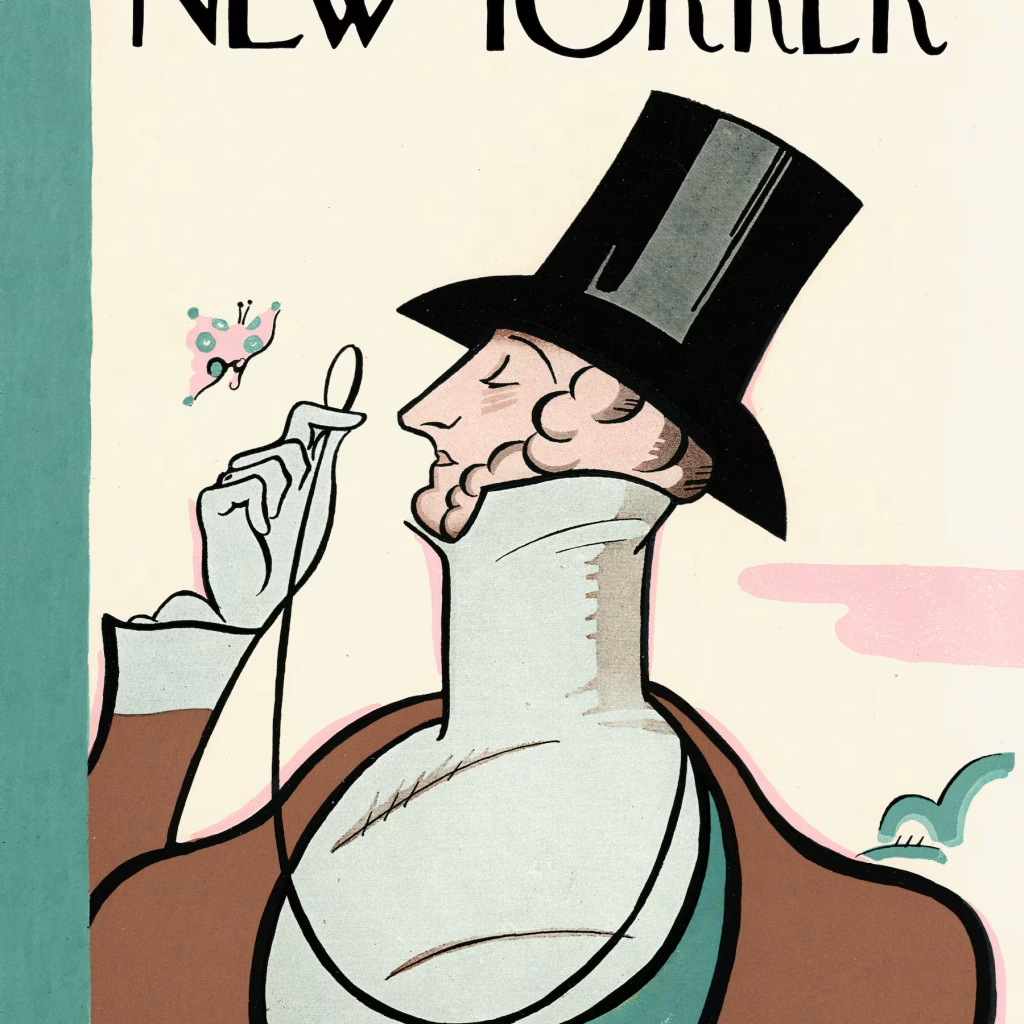
Marshall Curry’s highly entertaining documentary The New Yorker at 100 reviews that unique culture magazine launched as humour magazine a very long time ago. You’ll never see a photograph on the cover or wasted space inside. Chock full of witty, profound 1500-word portraits and revelations about well known folks, it has tickled us with its outsize sense of humour, startlingly hysterical cartoons and pithy articles for generations. Fictional Eustace Tilley, the top hatted and monocled cartoon dandy is immediately identifiable as the face of wit, the very first cover boy, an emblem. He’s been toyed with over the years stretching his turn of the last century identity as staffers have fun Inside, even the typeface is iconic. Celebrities line up to espouse its merits – Meryl Streep, Molly Ringwald, Jon Hamm, Carol Burnett, but also great thinkers, scientists, computer originals, and the top minds in the USA do as well. Celebrity columnists like Ronan Farrow, Richard Brody, and editor Tina Brown have helped keep The New Yorker relevant for a century, joining a Who’s Who of former contributors. The mag never backs down from covering disasters like Hiroshima, WW11 and 9/11 with its signature intelligence and discretion. Archival interviews with Truman Capote on his landmark article In Cold Blood which became a book and a movie, look at the balance he created reporting on the ghastly murder of a farm family by two men. He called his approach to his self proclaimed “non fiction novel”, a “synthesis of journalism with fictional techniques”. And presto The New Yorker took a chance and published this new writing form. They expected trouble and got it but so powerful was the piece, it drew international attention to the magazine and got a life of its own. Parts of Rachel Carson’s Silent Spring, published shortly after she died helped launch the environmental movement, then it espoused the peace movement and now examines the current political mess down there. No matter what the articles’ subjects, the New Yorker intelligence and humour abounds and abides. The film is wildly entertaining, whimsical and important – it helps us retain civility, thoughtful dialogue and laughter, and that’s a good thing. Now on Netflix.
