Everything is expensive. You already know this. You feel it at the grocery store, at the gas pump, when your insurance renews, when a casual dinner out requires an actual cost-benefit analysis. The baseline cost of ordinary life in Canada has shifted upward and it has not shifted back. Inflation may have technically cooled but prices did not go back down when it did. They just stopped rising as fast. We are not in a temporary squeeze. We are in a new normal.

So. What do we do about it.
I want to be clear that I am not going to tell you to make your own laundry detergent or give up your morning coffee. That is not what this is. This is about something more fundamental, about genuinely rethinking what we have been taught to believe things are worth, and finding out that the alternative is actually better.
I have been thinking about this a lot lately. Partly because it is impossible not to when you are living it, and partly because I recently had a conversation for What She Said with someone who works in the reuse and affordable housing space that has been sitting with me ever since. The episode is The Thrift Store That Builds Houses and I think you should listen to it. But the idea I keep coming back to is this: we have been so thoroughly conditioned to equate new with better and expensive with quality that we have lost the ability to recognize value when it is right in front of us.
That’s not an accident. It is a feature of the economy we have been living in, not a bug.
We have spent our entire lives inside a system built on consumption. Not thoughtful consumption. Not intentional consumption. Just more. More product, more choice, more spend, more replace. Planned obsolescence, the practice of designing things to fail or feel outdated within a predictable window, is not a conspiracy theory. It is a documented business strategy. The fast fashion top that pills after two washes was not a manufacturing oversight. The appliance that dies at fourteen months, just outside the warranty window, did not fail by accident. These things were designed to be replaced, and we were conditioned to replace them without asking why.
And for a long time, most of us did.
But something is shifting. Partly because the economy is forcing the conversation, when food prices rise faster than wages and shelter costs eat half a paycheque, “just buy a new one” stops being a reasonable answer. Partly because a growing number of people are genuinely exhausted by the cycle. And partly because, as I explored in this piece on whether billionaires are actually good for society, the accumulation happening at the top of the economy is not a separate conversation from the exhaustion happening everywhere else. The system that produces billionaires is the same system that produces disposable furniture, fast fashion, and the nagging feeling that you are always one purchase away from having enough.
You are not. That feeling is the product.
What I have come to believe is that the most practical thing a lot of us can do right now is to refuse to participate in the parts of this system we actually have some control over. That does not mean poverty cosplay or performative minimalism. It means asking whether something needs to be new before you buy it new. It means recognizing that the solid wood dresser at a reuse store is often built to a standard the flat-pack version at a big box retailer will never reach. It means understanding that expensive does not mean good and cheap does not mean lesser. It means getting off the trend hamster wheel.
More than anything though, it means changing what your first stop is before you go anywhere else.
Everything Is Expensive: Here’s What I’m Actually Doing
How I’m Actually Doing It
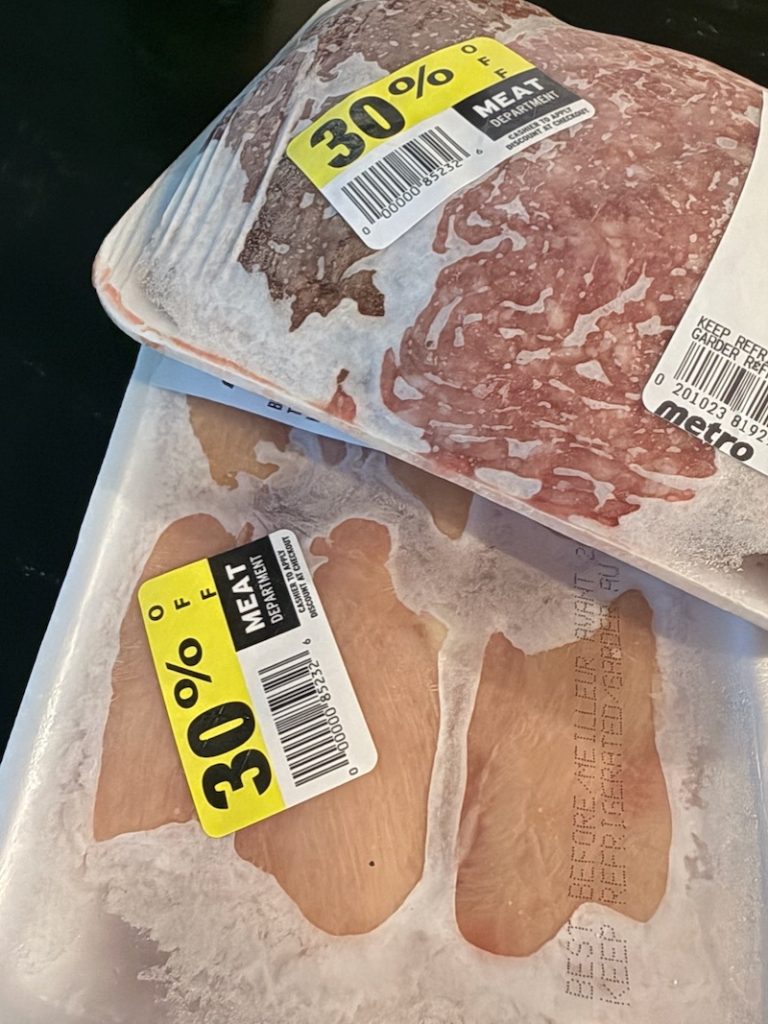
- Learn the meat markdown schedule — most grocery stores mark down meat twice daily, early morning around 7 to 9am and again in the evening around 7 to 9pm. Mondays, Wednesdays, and Sundays tend to be the best days. Before a long weekend stores stock heavy and mark down aggressively on the way out. Buy it, freeze it immediately, use it whenever. And while we are here: best before dates indicate peak quality, not safety. They are a retail construct that contributes massively to food waste. Use your senses. You will know.
- Costco — they cap their markup at 15% across the board. Their Kirkland house brand products are independently tested and consistently meet or exceed the name brands they replace. I ride at dawn for Costco and I will not apologize for it.
- Habitat ReStore — new clothing, furniture, building materials, garden supplies, appliances. Your first stop before anywhere else. Every dollar goes to building affordable housing in your community.
- Thrift stores and antiquing — the things that have already survived decades are often built better than anything you can buy new today. And they come with a story.
- Buy Nothing groups — your neighbourhood almost certainly has one on Facebook. People give away things you would otherwise pay for. No transaction required.
- Garage sales — go early in the season for the best finds, end of day for the best prices when sellers just want it gone.
- Split bulk purchases with friends and family — a Costco run works considerably better when six people are splitting a flat of olive oil and a case of paper towel.
- Shop out of season — Christmas decor in January. Patio furniture in September. Pool supplies at back to school. Winter coats in March. The discount is always worth the wait.
- Facebook Marketplace — furniture, appliances, kids gear, tools. People are actively trying to get rid of things you need.
- Food waste apps — Too Good To Go and Flashfood sell discounted food that would otherwise be thrown out. The tomatoes are wonky. They taste exactly the same.
- Library of things — many public libraries now lend tools, cake pans, and specialty equipment. Things you need once should not cost what things you need forever cost.
- Know your prices — you cannot spot a real deal if you do not know what things actually cost. Pay attention. The awareness pays off every single time.
- Fix it first — learn to sew a button, watch a YouTube video before you call a repair person, try to fix it before you replace it. What have you got to lose? If it doesn’t work you were going to replace it anyway and you’ve learned something new for the next time. The repair mindset is a muscle and the more you use it the stronger it gets.
None of this fixes the system. Shopping differently is not a substitute for structural change and anyone who tells you that your consumer choices are the primary lever of political power is either naive or selling something. And in a moment where a lot of Canadians are feeling genuinely ground down by an economy that seems designed to keep them there, finding the places where a smarter decision also happens to be a cheaper one and a better one for your community is worth paying attention to.
Opting out of the new-at-full-price cycle is not a consolation prize either. It is increasingly a flex. You know how when you compliment a woman on her dress and she lights up and says “thanks, it has pockets”? Saying “thanks, I thrifted it” is the exact same energy.
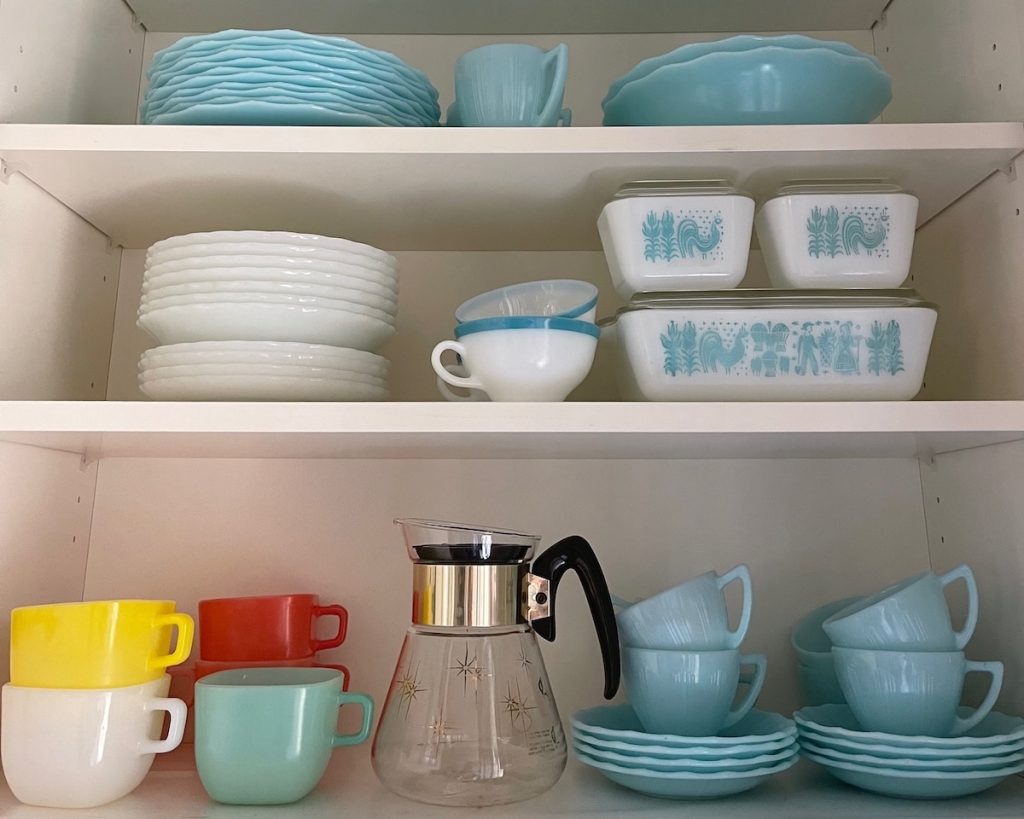
There is a specific kind of satisfaction that comes from having someone walk into your home and ask breathlessly where you got that piece of furniture. And you get to say, casually, that you found it. That you knew what you were looking for, you did the circuit, you waited, you compared, and one day there it was at a fraction of what it would have cost anywhere else. That is skill baby, and you deserve all the accolades.
And the thing you found is not one of a million identical pieces that rolled off a production line where you and your three closest friends will show up to the same dinner party in the same outfit. It’s unique. It often comes with better bones than anything manufactured today. And it always comes with a story.
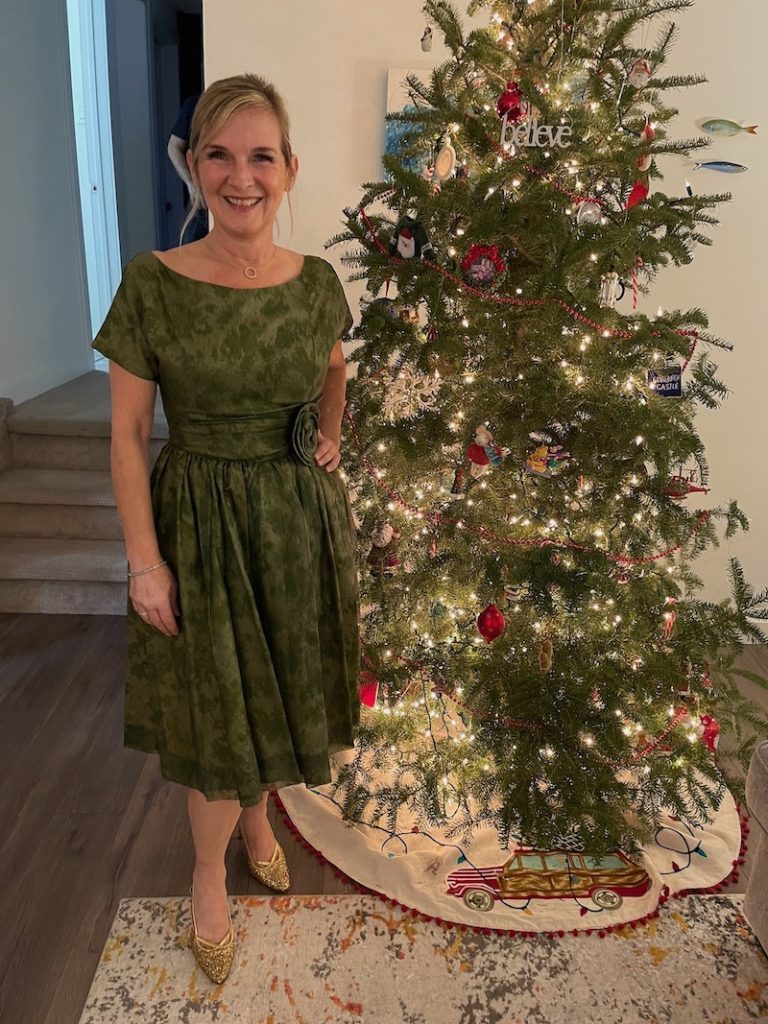
I am serious about this. All of my greatest finds come with a fun story. All of my mediocre purchases? Meh. I cannot even remember where I picked those up.
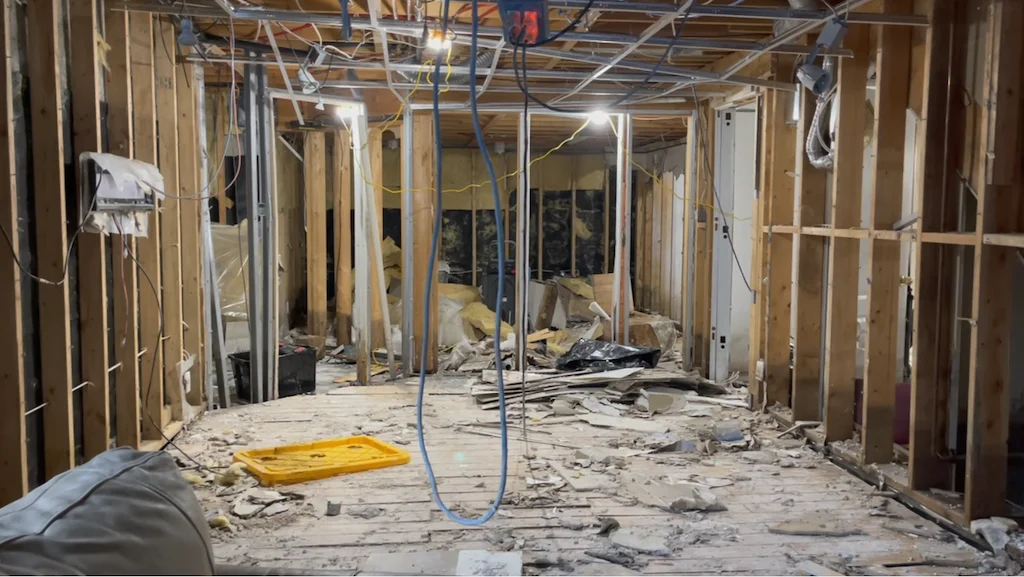
Go find joy anyway.
The less we prop up a system designed to keep us buying and replacing and buying again, the better off we are. Financially, because we are spending less. Environmentally, because we are consuming less new production. And in terms of actual quality, because the things that have already survived decades are often built better than anything you can buy new today.
The cost of living in Canada is not going back to where it was. The sooner we accept that and start making decisions accordingly, the better off we are going to be. Not because it solves the problem. But because waiting for the problem to solve itself is a strategy with a pretty poor track record.
Everything is expensive. Go find joy anyway. It can absolutely be done.