I’m invested in women’s health research, because like most women who have navigated our health care system, I have a story. I waited eight years for a hysterectomy. Eight years of being told to try one thing, then another, then another, and my personal favourite: what if you want more children? I was a grown adult who had made a fully informed decision about my own body and I was being managed like someone who could not be trusted with that information. When I finally got to surgery, I told the anesthesiologist that opioids do not work on me the way they work on most people. I told him clearly, from experience, including a previous epidural that had failed. He heard me and moved on.
I woke up on the recovery table with no pain management after a major surgery. Once pain gets away from you like that, it is brutally difficult to bring back under control. It took nearly twelve hours.
I am not sharing this for sympathy. I am sharing it because when I spoke with journalist and broadcaster Nam Kiwanuka about her new TVO podcast Mistreated, which investigates women’s health care in Canada, I recognized every single layer of what she described. The waiting. The managing. The dismissal dressed up as medical advice. The exhaustion of having to fight for your own body while your body is the thing that is failing you.
Every woman I know has a version of this story. That is the pattern. And women’s health research, or the catastrophic lack of it, is where it starts.
The Default Body Was Never Ours
Women were not included in clinical trials in the United States until 1993. In Canada, that did not happen until 1997. Men have had the benefit of research built around their bodies since medicine began. Women were added as an afterthought, and charged full price for the privilege.
The entire architecture of modern medicine was built around a male body. Women were considered, in the words of one researcher Nam spoke with, atypical. The male was the default. Everything else was extrapolated from there. And it was not just clinical trials. Until 2016, scientists at the US National Institutes of Health were routinely studying male mice because female mice were considered too hormonally complicated to produce clean data. Female mice. Too messy. So the science that underpins how we understand disease, dosage, and treatment was built on half the population and applied to all of it.
The consequences of that are documented and specific. A commonly prescribed sleeping medication had its dosage established entirely on male physiology. Women metabolised it differently and more slowly, and were driving cars and carrying out activities with no memory of having done so. Building a system around one body and assuming it works for all bodies has a cost. Women paid it.

Heart disease is the leading killer of women. Most of us grew up watching television commercials that showed heart attacks as a man clutching his arm and collapsing. Women present differently. Symptoms are different. The research that established what a heart attack looks like was done predominantly on men. Women were dying of something medicine had not bothered to study in them.
80 percent of people with autoimmune disease are women. 70 percent of Alzheimer’s sufferers are women. Conditions that overwhelmingly, disproportionately affect women remain chronically underfunded and under-researched. When women present with symptoms, they are frequently told they are anxious. Stressed. Hormonal. That they should lose five pounds and sleep more.
Sleep more. I will get back to that.
When Women’s Health Research Was Wrong and Women Paid for It
The hormone replacement therapy debacle is the clearest and most damaging case study in what happens when women’s health research gets it wrong and nobody moves quickly enough to correct the record.
The Women’s Health Initiative study, published in 2002, concluded that HRT increased the risk of breast cancer and heart disease. Women and their doctors responded rationally to what looked like clear evidence. Millions of women stopped taking hormones. For two decades, HRT was treated as dangerous and prescribing it became cautious at best, rare at worst.
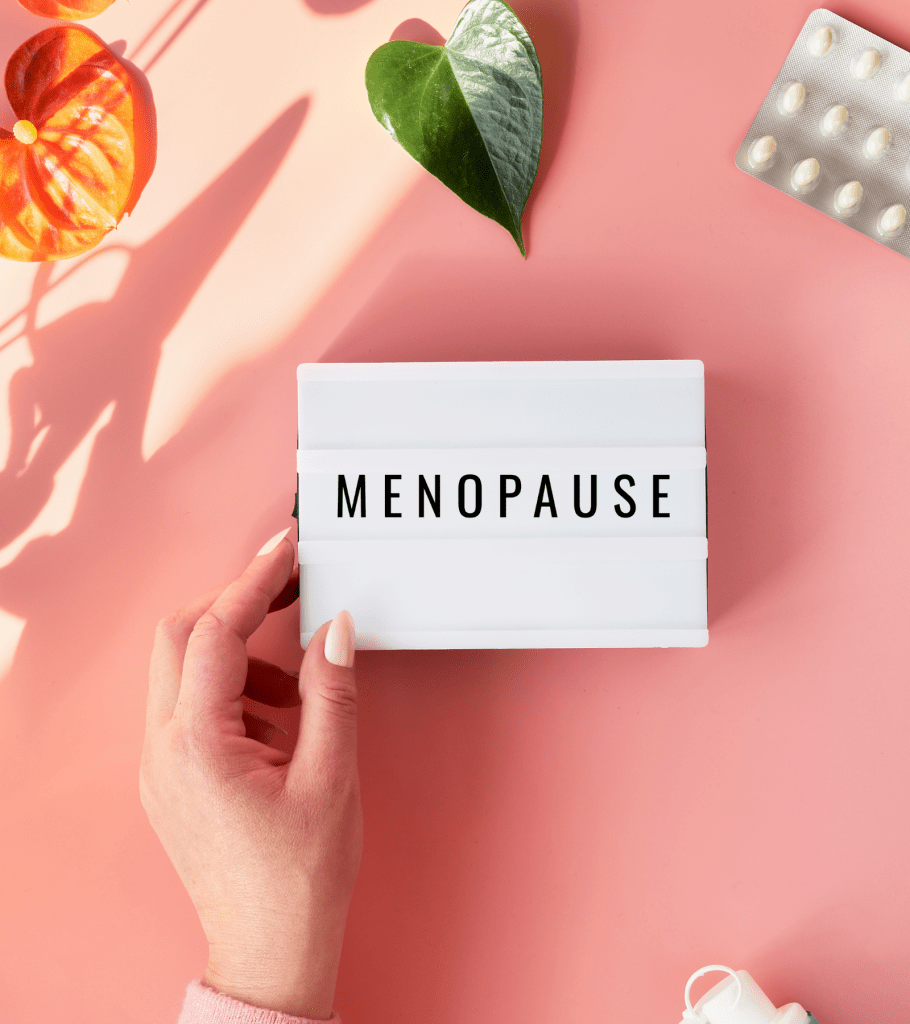
The study was flawed. The methodology has since been extensively critiqued. The participant group was older than the population most likely to benefit from HRT and the findings were overcorrected and overapplied. What we now know is that HRT, taken at the right time and for the right patient, can protect against Alzheimer’s. It can extend life expectancy. It reduces the risk of osteoporosis and broken bones. It addresses the dozens of symptoms that menopause produces, including the one nobody talks about enough: the 3 a.m. wake-up call that does not go away. Eyes open, wide awake, no path back to sleep. We are told that eight to nine hours of sleep protects against Alzheimer’s. We are not told what to do when menopause makes that structurally impossible without pharmaceutical intervention, and we are not told that HRT might have been protecting our brains all along had the research not scared us off it for twenty years.
Women paid for that flawed study with their health, their quality of life, and in some cases their lives. There has been no proportionate urgency about correcting the record.
The Double Weight: When Race Compounds the Dismissal
Some women carry an additional layer of bias into every appointment, and the consequences are measurably worse.
Nam is a Black woman who navigated this system pregnant, frightened, and in a country that was supposed to be providing her care. At 36 weeks pregnant, faint from hunger and hours of waiting with no water, she told a clinic she needed to leave. The doctor’s response was to threaten to call the police. Not an apology. Not a glass of water. A threat. And she sat back down, because what choice did she have.

When she later delivered by C-section, her uterus was found to be tissue thin. A rupture would likely have killed both her and her daughter. She was told this hours after the fact. There was no apology then either.
Farah Khan, a queer South Asian woman who spoke to Nam on Mistreated, was told by a doctor that she did not need a pap smear because she was a lesbian. She later developed cervical cancer. During a biopsy, she received no pain medication. There was blood everywhere. She was not treated like a human being was how she described it.
These are not isolated incidents of individual cruelty. They are the compounded result of a system that already dismissed women, applied to women who faced additional layers of racial and sexual bias on top of that. For Black women in particular, there is a documented and persistent myth within medicine that Black patients have higher pain tolerance. It is not true. It has never been true. It has contributed to the under-treatment of Black women’s pain across obstetrics, oncology, and emergency medicine for generations.
And then there is what this country has done to Indigenous women, which must be named without softening. The forced and coerced sterilization of Indigenous women in Canada is not a historical footnote. Documented cases exist as recently as 2019. Between 2015 and 2019, over 100 Indigenous women from six provinces and two territories came forward to report they were forced or coerced into sterilization procedures. Women were pressured to consent while in labour. Some were told they could not see their newborns until they agreed to the procedure. A 2021 Senate report concluded that compulsory sterilization was ongoing in Canada, highlighting risk to Indigenous, disabled, and racialized women. A bill to explicitly criminalize it was introduced, then died when Parliament was prorogued.
This is the healthcare system we are being asked to trust with our bodies.
The Research Gap Is Getting Worse Before It Gets Better
Women’s health research was already underfunded, undervalued, and structurally deprioritised before 2025. What is happening in the United States right now is not a distant problem. The National Institutes of Health has been a global leader in medical research for decades. Under the current administration, funding has been paused and the word “woman” has been removed from the language permitted in research grant applications.
If the compassion argument has not moved policy, consider the bottom line. McKinsey estimates that women’s health conditions cost the global economy tens of billions annually in lost productivity alone. When a woman like Amber Mac, a leader in Canada’s tech sector, has to step back from professional opportunities because her fibroids were left untreated for years, that’s not a personal failing, it’s systemic.
Thankfully, Canada is not the United States and we can choose a different path. And there are early signs that some corners of this country are starting to understand what is actually at stake.
Manitoba Just Showed the Rest of Canada Women’s Health Research Looks Like
Manitoba Premier Wab Kinew recently announced a $5.2 million investment to establish the Manitoba Menopause Clinic in Winnipeg, an interdisciplinary community-based model that will provide menopause and gynecological care, counselling, education, and coordinated supports in one location.
The backstory matters as much as the announcement. The previous government shut down the Mature Women’s Centre in 2017, leaving women without that specialized support for nearly a decade before this week’s commitment to restore it. Manitoba has also already made HRT and birth control free under pharmacare. More than 36,000 women are already saving money on menopause treatment every month as a result.
Manitoba decided women’s health was worth prioritising and then did something about it.
The rest of Canada’s provinces need to be asked directly and repeatedly why they have not made the same decision. Gynecology waitlists have not been tracked nationally since at least 2010. Nobody knows how long women are waiting because nobody has bothered to count. Obstetrics and gynecology remain a single discipline when experts are arguing they should be two, with gynecology elevated out of the basement of surgical priority where it currently sits. Women with endometriosis are told it is a reproductive condition when it behaves, as one doctor described to Nam, like a cancer. It shows up in lungs. It shows up in the brain. It does not stay neatly in the places medicine decided were the only places women’s problems were allowed to exist.
We need policy. Funded, tracked, accountable policy. Not more awareness campaigns. Not pamphlets.
What Nam Is Doing That Nobody Else Is
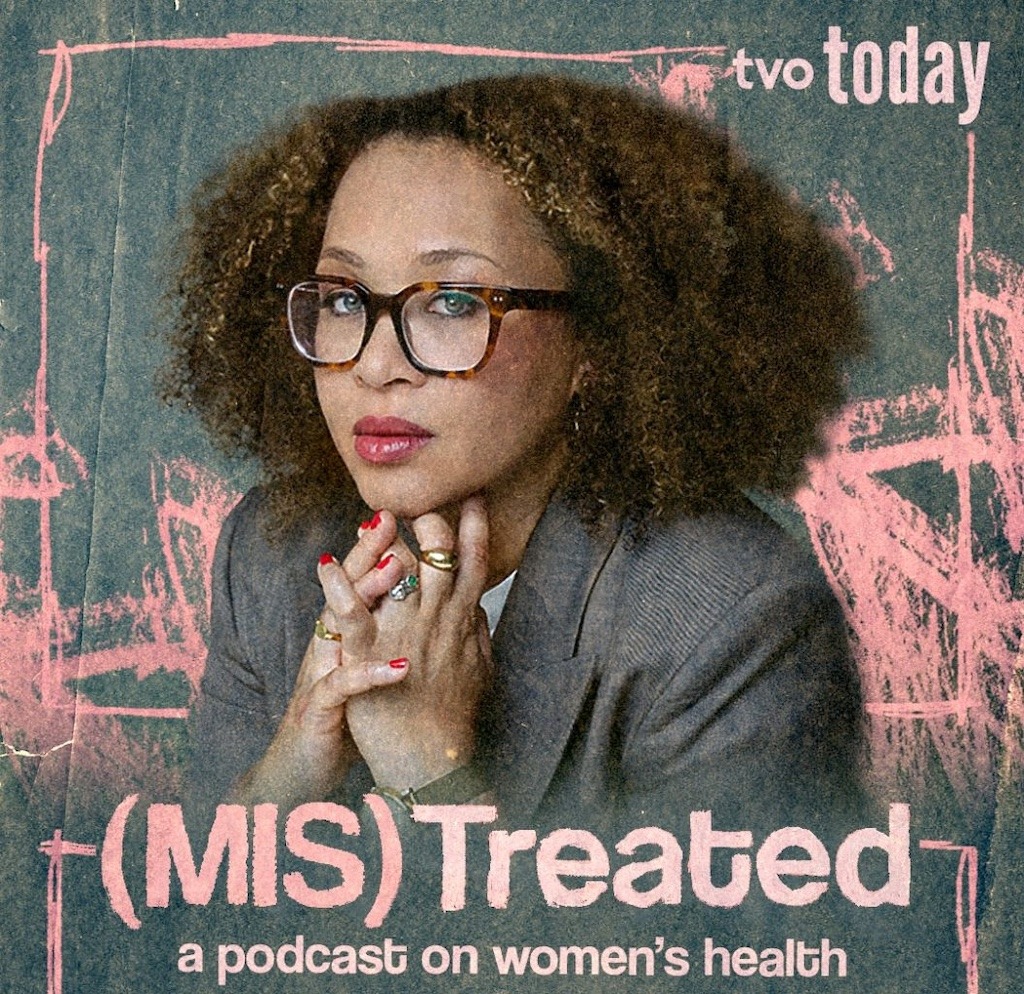
Mistreated, Nam’s podcast for TVO, is doing something that should not be as rare as it is: putting women’s lived health experiences on the public record, alongside the science, so that policymakers cannot claim they did not know.
Because that is the other part of this. Doctors are not dismissing women because they are malicious. Many are dismissing women because women’s health research has not given them the tools to do otherwise. When a condition is undertreated in medical training, when it appears as a tacked-on extra at the end of a curriculum built around a male default body, the clinicians who graduate from that training carry those gaps into every appointment. The problem is upstream. It is in the research. It is in the curriculum. It is in the funding.
Nam told me she is the happiest she has been in ten years doing this work. She is also still processing her own surgery, the one where she was told the day before that they intended to do something she had not agreed to, and she was too exhausted from years of fighting to push back the way she wanted to. That exhaustion is part of the story too. The cost of having to advocate for your own body, loudly, persistently, against a system that has centuries of momentum in the other direction, is real and it falls entirely on the patient.
I waited eight years. Nam walked to the next hospital while passing clots because the doctor who had just witnessed what was happening to her body sent her on her way without calling a taxi. A 25-year-old woman in London, Ontario is in a wheelchair, denied consultation by nine neurosurgeons, trying to figure out how to fund a $400,000 surgery in another country for a condition that was diagnosed only because she did the research herself and went to the US to get the imaging that Ontario had not offered her.
The system is working exactly as it was designed to work, for the bodies it was designed to serve.
Women’s Health Research FAQs
The medical system was built around a male default body. Women were excluded from clinical trials in the US until 1993 and in Canada until 1997. Research, dosages, diagnostic criteria, and treatment protocols were developed on male subjects and applied to everyone. Women’s conditions were either not studied or studied inadequately, and that gap has compounded over decades.
Mistreated is a TVO podcast hosted by broadcaster and journalist Nam Kiwanuka that investigates women’s health care in Canada. It combines lived experience from women across the country with expert interviews. You can find it on the TVO Today YouTube channel and wherever you listen to podcasts.
The 2002 Women’s Health Initiative study that frightened millions of women and their doctors away from hormone replacement therapy used an older participant group than the population most likely to benefit. Its findings were overcorrected and broadly applied. We now know that HRT, for the right patient at the right time, can protect against Alzheimer’s, reduce osteoporosis risk, and meaningfully improve quality of life during menopause.
Manitoba under Premier Wab Kinew has made HRT and birth control free under provincial pharmacare and recently committed $5.2 million to establish a dedicated Manitoba Menopause Clinic in Winnipeg. The clinic will provide integrated menopause and gynecological care with support from dietitians, physiotherapists, pharmacists, and specialists in cardiology, psychiatry, and sleep medicine, further advancing women’s health research.
The coerced and forced sterilization of Indigenous women in Canada is documented, ongoing, and not a historical issue. Over 100 Indigenous women from six provinces came forward between 2015 and 2019 to report being forced or coerced into sterilization, in some cases while in labour. A 2021 Senate report confirmed the practice was continuing. A bill to explicitly criminalize it was introduced but died when Parliament was prorogued. It has since been reintroduced.
Black, Indigenous, and racialized women face compounded barriers in the healthcare system. This includes a persistent and debunked myth that Black patients have higher pain tolerance, leading to under-treatment of pain. Indigenous women face the additional weight of a healthcare system with a documented history of coercion and forced procedures. Queer women of colour face intersecting biases around both race and sexuality. The dismissal women experience in medical settings lands harder on some than others, and the outcomes reflect that.